


Introduction to the world of Pokémon Trading Cards
Pokémon is more than just a successful video game series or an anime. Since their introduction in 1996, Pokémon Trading Cards (TCG - Trading Card Game) have become one of the most popular and enduring collectible series worldwide. But what exactly are Pokémon Trading Cards, and how does collecting work? In this guide, we explain everything you need to know to immerse yourself in the world of Pokémon cards!
What are Pokémon Trading Cards?
Pokémon Trading Cards are specially designed cards featuring characters from the popular Pokémon world. Each card has different attributes that make it usable in the Pokémon Trading Card Game (TCG). The cards can be used to play against other Pokémon Trainers or simply kept by fans as collectibles.
The cards consist of different types, including:
Pokémon cards These show a Pokémon and contain information about its attacks and stats.

Energy cards They are used to activate Pokémon and carry out their attacks.

Trainer cards These provide special effects and allow the Player to influence the game strategically.

How many Pokémon cards are there?
Over the years, more than 100 different expansions of the Pokémon Trading Card Game have been released, featuring thousands of cards spanning many Generationen. This seemingly endless variety can initially overwhelm newcomers. But don't worry, you don't have to try to collect all Pokémon cards. The best tip for beginners is to focus on selected Pokémon cards or specific expansions. For example, this could mean focusing on the cards of your favorite Pokémon or a specific set such as Pokémon 151.

Since it is nearly impossible to collect every card, this focus makes collecting more enjoyable and helps you build your Collection with a clear goal in mind.
How does collecting Pokémon cards work?
Collecting Pokémon cards works similarly to collecting stamps or other collectibles. Some cards are rarer and more valuable than others, and collecting these special cards is one of the main goals of many Pokémon fans.
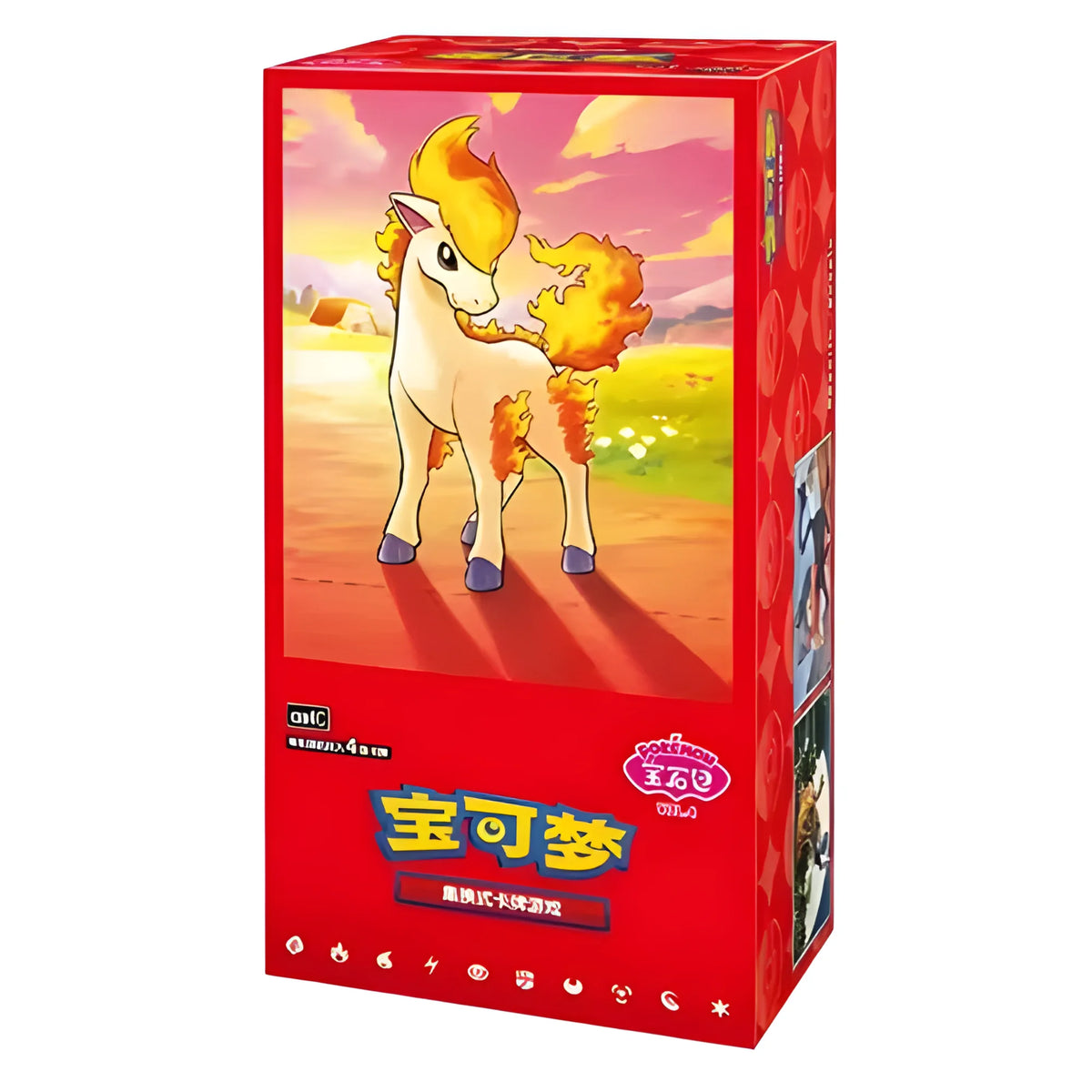
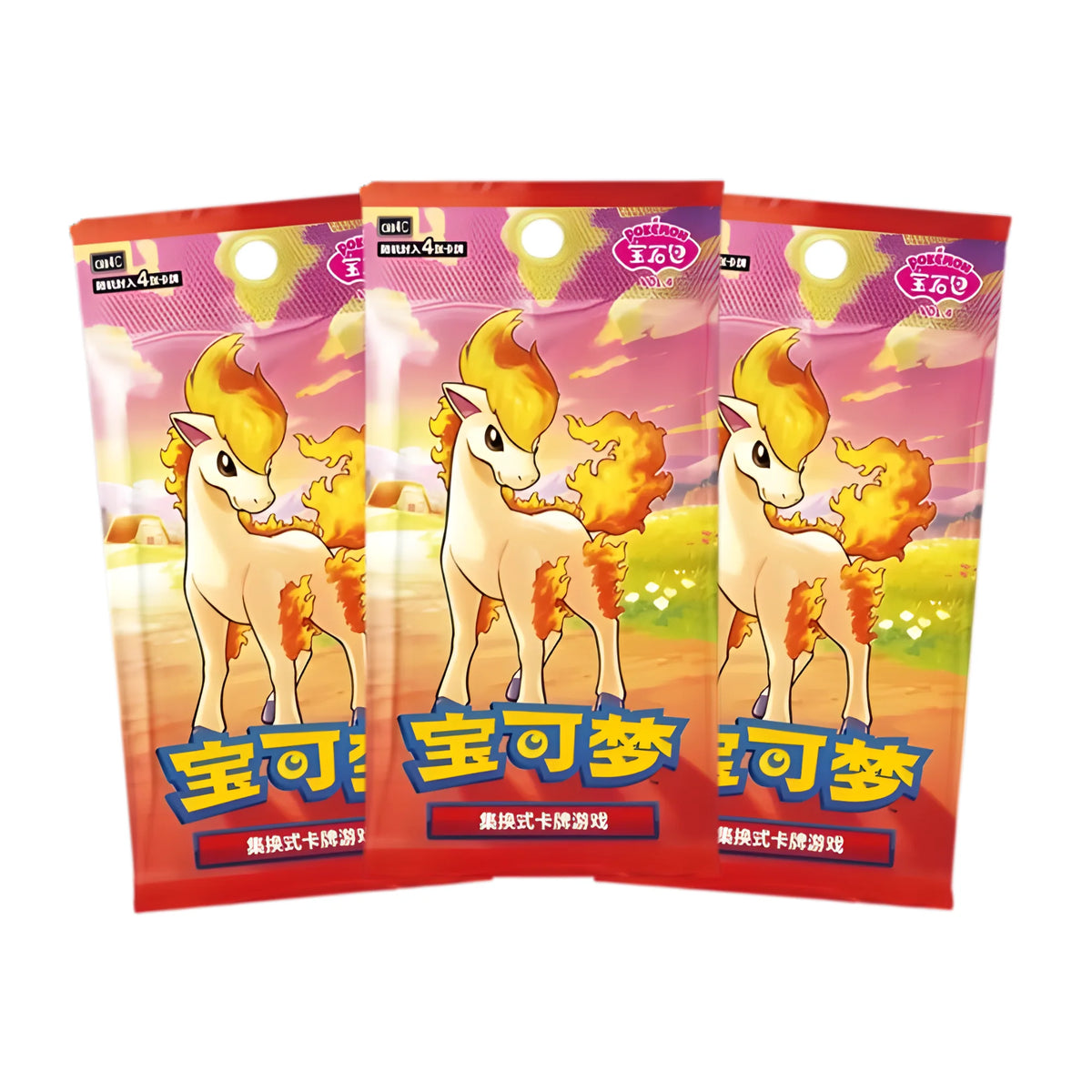
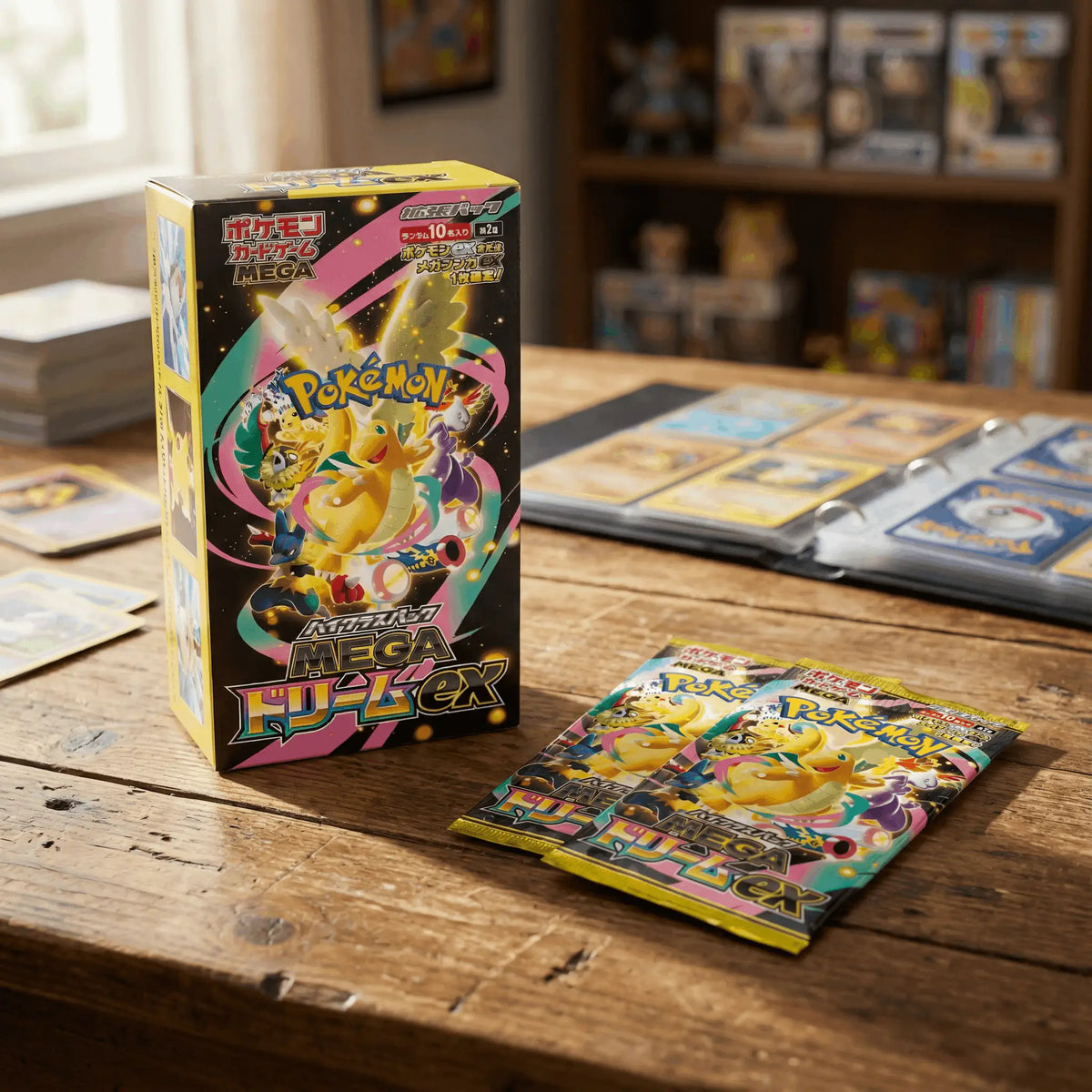
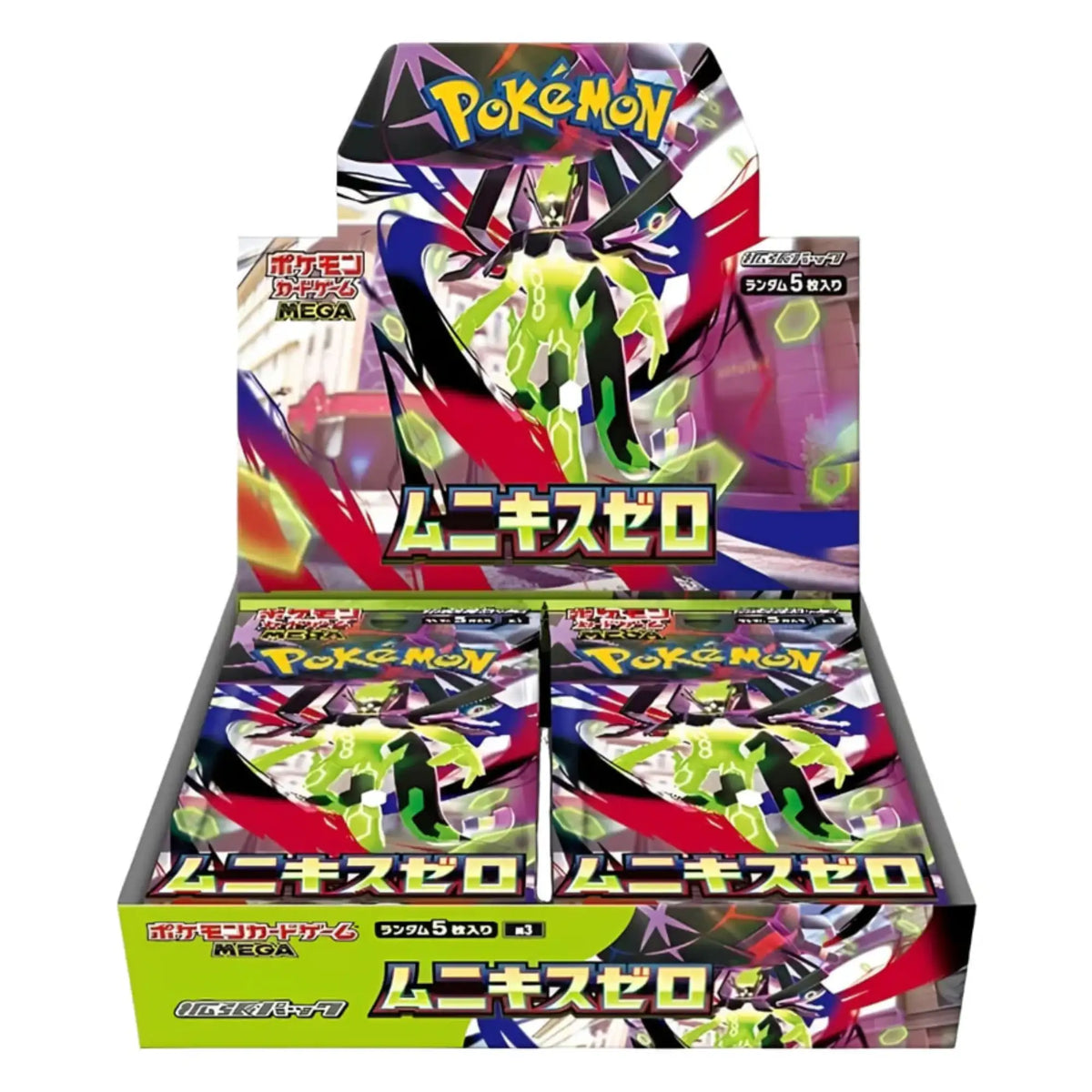
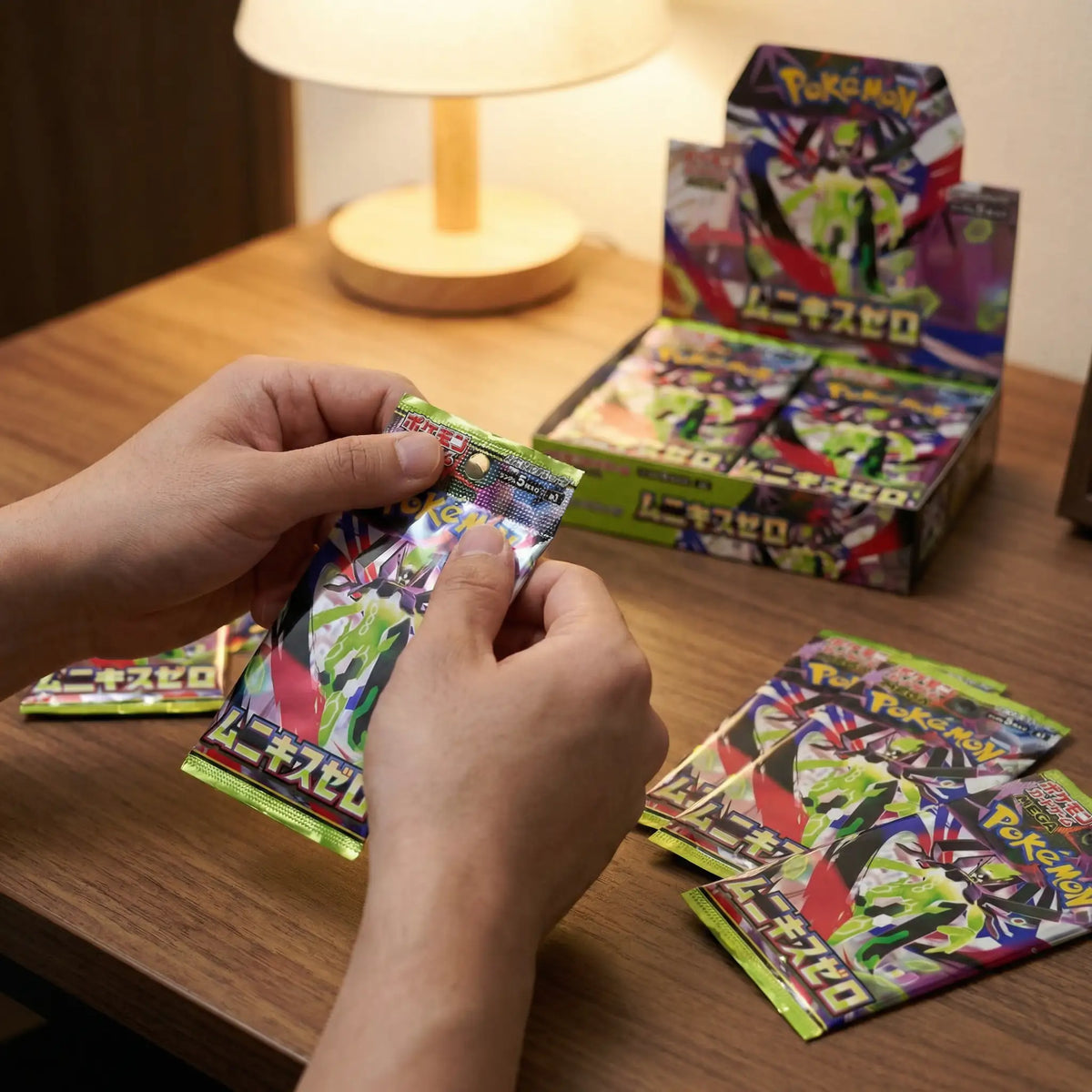
Pokémon trading cards are sold in what are known as Booster Packs sold. Each Booster Pack contains a random selection of cards, making collecting exciting and varied. Collectors often try to create a complete set or find rare cards that have a higher value.

The different types of Pokémon cards
In the world of Pokémon, there are countless species that are unique not only in their form and ability, but also in their origin and history. Some Pokémon are cute and cuddly, while others are mysterious or impressive in size and power.
Pokémon are divided into different types, such as Water, Fire, Grass, Electric, Psychic, and many more. Each type has its own strengths and weaknesses, which also play an important role in Pokémon battles. For example, a Fire Pokémon is strong against Grass Pokémon but has no chance against Water Pokémon. These tactical considerations make collecting and playing particularly exciting.
However, Pokémon battles are always non-violent and do not involve deadly confrontations. In addition, social interactions such as trading and competitions with other Trainers are highly valued - both in the game and in the real world.
The 10 rarity levels in Pokémon cards
Common (Common cards)
Common cards are the cards that appear most frequently in a set. You can find these cards in almost every Booster, and they are relatively easy to collect. They are marked by a circle in the bottom corner of the card. These are often Basic Pokémon, which in most cases can still evolve.
Feature: Circle
Example: A Basic Pokémon such as Bulbasaur or Squirtle.

Uncommon (Less common cards)
Uncommon cards are less common than Common cards, but are still relatively easy to find. They bear the symbol of a diamond and are usually first-stage Pokémon or Trainer cards.
Feature: Diamond
Example: Pokémon such as Ivysaur or Magnemite.
Rare (Rare cards)
Rare cards are less common than Uncommon cards and are marked by a black star in the lower corner. These cards come in Non-Holo, Holo, and Reverse Holo. Reverse Holo cards have the holographic effect across the entire background of the card, but not on the Pokémon image.
Feature: Black star
Example: Pokémon such as Mewtwo or Lugia.
Ultra Rare (Ultra-rare cards)
These cards are particularly striking and have a unique design. They are identified by a silver star and the design of a Full Art card, where the image covers the entire card. They often carry designations such as V, VMAX, EX, GX, or Mega EX.
Feature: Silver star and Full Art design
Example: Charizard VMAX or Rayquaza EX.
Rainbow Rare (Rainbow Rare)
Rainbow Rare cards feature a silver star and a rainbow design. These cards have a holographic effect with many colors and are particularly popular with collectors. They were first introduced in the Sword & Shield cycle.
Feature: Silver star, rainbow design
Example: Pikachu VMAX Rainbow or Zacian V Rainbow.
Secret Rare (Secret Rare)
Secret Rare cards are extremely rare and have a gold border. They are marked with a silver star and an increased card number (higher than the regular set number). They can be Pokémon, Trainer, or even Energy cards.
Feature: Silver star, gold border
Example: Gold Trainer cards or Pokémon Gold cards.
Amazing Rare (Wonderful Rare)
Amazing Rare cards have a striking rainbow pattern in the background that extends beyond the image. These cards were introduced in the Sword & Shield expansion "Farbenschock" and are particularly special both visually and in terms of content.
Feature: A on a rainbow background
Example: Zacian Amazing Rare or Jirachi Amazing Rare.
Shiny Rare (Shimmering Rare)
Shiny Rare cards are a special version of Pokémon cards in which the Pokémon is a Shiny variant. They were introduced in the "Verborgenes Schicksal" set and can be identified by an "SV" before the card number.
Feature: SV before the card number
Example: Shiny Charizard GX or Shiny Mewtwo.
Rare Prism Star (Prisma Rare)
Prisma cards are a special type of rare cards featuring holographic Prisma effects on the lower half of the card. They were first introduced in the Ultra Prisma set and are particularly sought after because of their unique design and rarity.
Feature: Prisma effect on the lower half of the card
Example: Prisma starter Pokémon or Prisma Arceus.
Promo cards
Promo cards are special cards that cannot be found in regular boosters. Instead, they are distributed on special occasions such as movies, Pokémon tournaments, or in promo boxes. They often feature a black star with the label “PROMO” and represent a separate rarity level.
Feature: Black star with the "PROMO" label
Example: Promo Pikachu or Promo Snorlax from special sets.
How do I recognize rare Pokémon cards?
The value of a Pokémon card is influenced by various factors, including age, Condition, and of course Rarity. You can easily recognize the rarity by a small symbol in the bottom corner of the card:
A circle indicates common cards.
A diamond stands for less common cards.
A star marks the particularly rare cards.
Example: A card like Leafeon from the Astralglanz Set is classified as rare by a small black star next to the card number. These cards are not only valuable to collectors but are also extremely valuable in the game.
To determine the value of a Pokémon card precisely, we recommend our Guide to Valuing Pokémon Cards. Here you will learn step by step how to calculate the value of each card based on Rarity, Condition, and Demand.
Why are Pokémon trading cards so popular?
Nostalgia
Many people played with Pokémon cards in their childhood and now continue collecting as adults.
Value appreciation
Some cards have increased significantly in value over the years and are considered investments.
Fun
The Pokémon Trading Card Game offers a deep and strategic gaming experience that delights many fans.
How do I start collecting Pokémon cards?
Start with a Deck or Booster Pack
A Starter Deck or a Booster Pack are the best way to get started with collecting and playing.
Learn the basics of the game
If you want to do more than just collect and also play, you should learn the rules of the Pokémon Trading Card Game.
Take a look at the most valuable cards
If you're hunting for rare and valuable cards, you can research online sources to find out which cards are particularly sought after.
Where can I find my favorite Pokémon?
If you are looking for specific Pokémon cards, various platforms such as eBay, Cardmarket, and of course Cardcosmos offer an excellent way to find the cards you want. These sites not only offer a huge selection of cards from all sets, but also useful filtering options to search specifically for your favorite Pokémon.
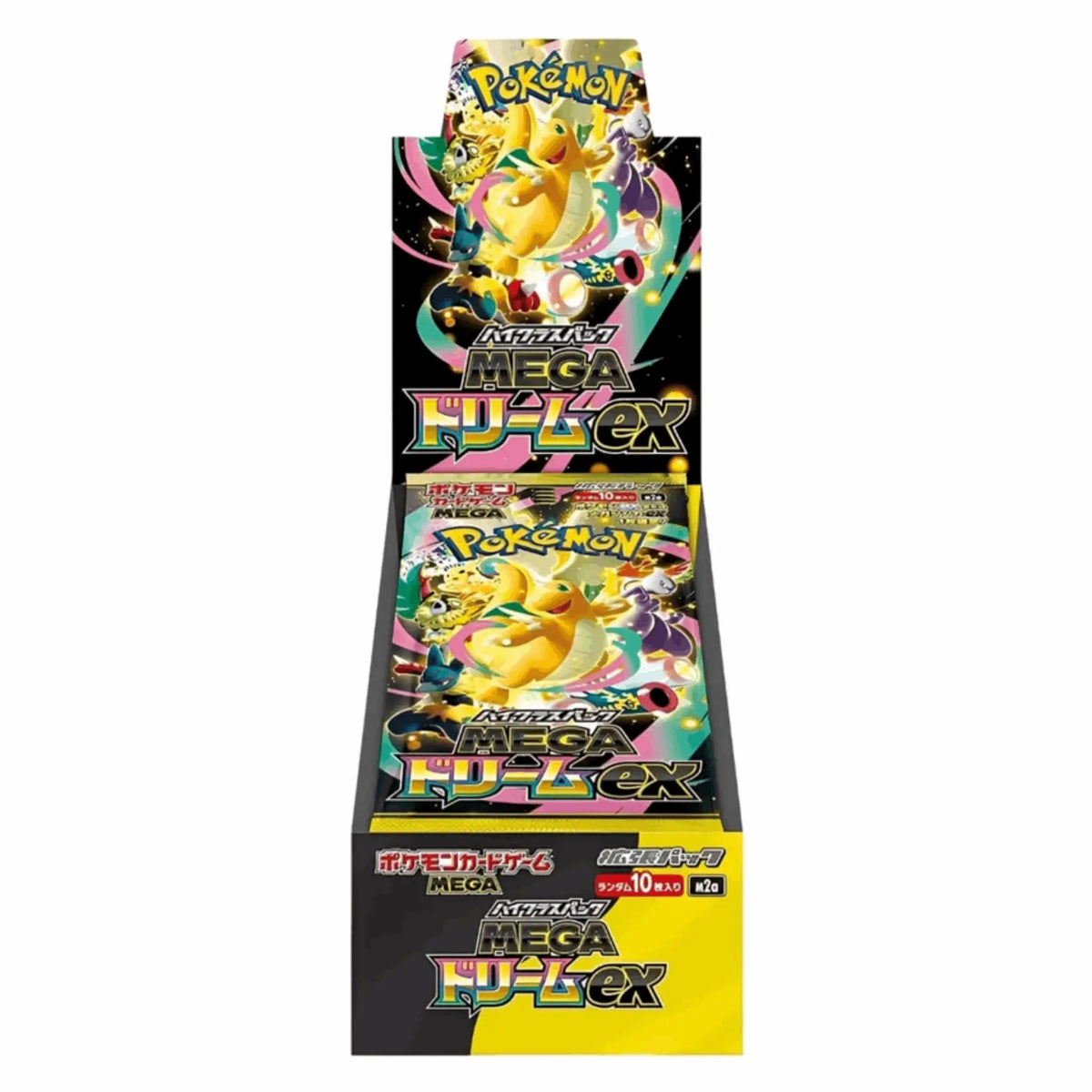
On Cardcosmos, you can conveniently search for Pokémon cards and have the assurance that all cards offered come from trustworthy sources. In addition to our Accessories you will also find Displays, Booster packs, and many other collector's items. Whether you are a beginner or an experienced collector - at Cardcosmos you will find everything you need for your collection!
Tips for getting started in the world of Pokémon trading cards
Take care of your cards
Store your cards safely to preserve their quality and value. Collector boxes and sleeves are ideal for this.
Learn from other collectors
Exchanging with other Pokémon collectors can help you discover new cards and receive valuable tips.
Be patient
The value of many cards increases over time, so be patient and pay attention to their long-term potential.
Conclusion
Pokémon trading cards are more than just a game - they are a collection, a passion, and in many cases a worthwhile investment. If you want to immerse yourself in the world of Pokémon trading cards, start with the basics and gradually expand your collection. There are countless cards, stories, and strategies to discover - so have fun collecting!






Leave a comment
This site is protected by hCaptcha and the hCaptcha Privacy Policy and Terms of Service apply.